


Neuroscience Coaching, Cork & Mental Reset
Why Does Your Brain Resist Change?
You identify how your brain creates automatic patterns and learn how to build new responses that support lasting change.
Recognize These
Automatic Patterns
See how your brain shapes your everyday reactions.
Personal Life
- You start your day already feeling tired.
- You replay a simple remark in your mind for hours.
- You remain tense during calm moments.
- You know what to do and struggle to take action.
Professional Life / Executives
- You finish a routine meeting feeling drained.
- You reread the same email several times before sending it.
- You feel your heart race, your jaw tighten and your breathing change under pressure.
- You make a decision and hesitate before acting on it.
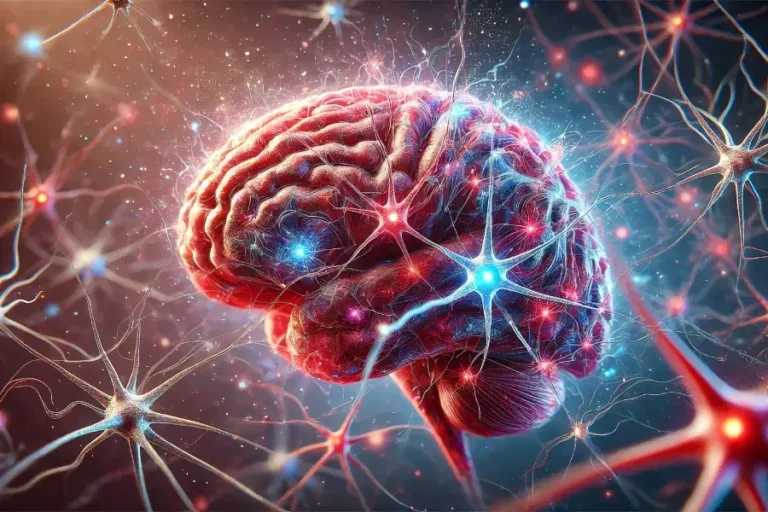
What exactly is cognitive neuroscience?
Neuroscience brings together several scientific disciplines that study the brain, the nervous system and their influence on human behaviour.
Understand the Key Cognitive Processes
Cognitive neuroscience focuses on perception, attention, language, memory, consciousness and learning.
It helps you understand how your brain processes information, performs different functions and transforms an experience into knowledge or an automatic response.
Researchers combine biology, psychology and neuropsychology with methods such as behavioural observation and brain imaging.
Discover a Science That Continues to Evolve
Research once viewed the adult brain as static. Advances in cognitive neuroscience now show that your brain retains its ability to adapt throughout your life.
I have followed these developments for nearly twenty years. This evolving understanding of the brain has gradually contributed to the foundations of my Mental Reset method.
Connect Cognitive Neuroscience With Behaviour
Behavioural neuroscience explores motivation and the processes that influence your actions.
In my approach, these scientific fields complement each other. They help you understand how your automatic behaviours develop and how they influence your current responses.
Explore Four Cognitive Functions That Shape Your Responses
During Mental Reset Coaching, you explore four cognitive functions that influence your automatic responses and your ability to take action.
Perception
You interpret situations through your previous experiences. Your nervous system rapidly detects signs of safety or threat, shaping how you respond to an email, a remark or an unexpected event.
Attention
You focus more intensely on urgency when mental pressure increases. Your attention narrows, while priorities and important details receive less space.
Memory
You store experiences and emotional associations that continue to influence your present reactions. During a session, you explore their origins and create a different response.
Language
You shape your beliefs and self-confidence through your internal dialogue. You identify the words you repeatedly use and replace them with language that supports your development.
Perception, attention, memory and language continuously interact. Together, we explore these connections in relation to your personal history and identify what drives your automatic responses.
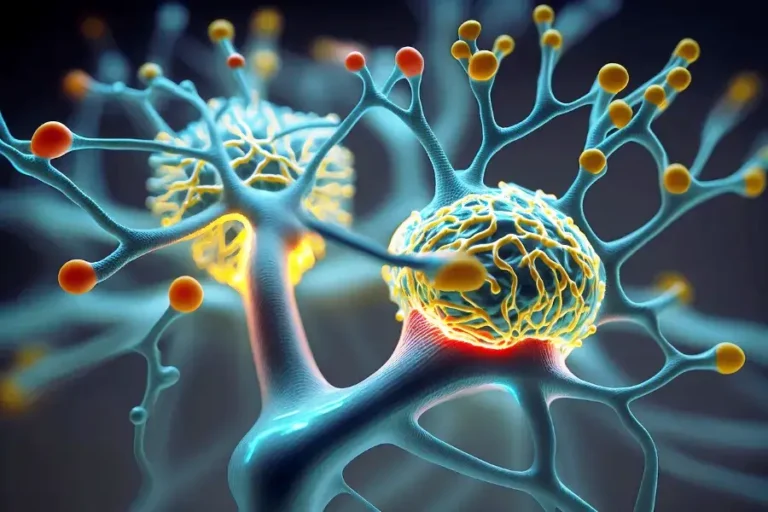
Use Neuroplasticity to Change Familiar Patterns
Your brain favours familiar responses because they require less effort. Each time you repeat a thought, emotion or behaviour, you reinforce that pattern and make it increasingly automatic.
Neuroplasticity allows your brain to create and strengthen new connections throughout your life. You develop new responses through awareness, repetition and a supportive environment.
Understanding your pattern starts the process. Mental Reset Coaching connects this understanding with your emotions, beliefs, nervous system and past experiences, helping you turn insight into lasting behavioural change.
Understanding how it works is an essential step. However, this is not always enough to bring about lasting behavioral change, because every automatic response results from the interaction of several factors: emotions, beliefs, the nervous system, and past experiences.

Create Lasting Change with Neuroplasticity
Through Mental Reset Coaching, you:
- Understand how your brain creates and reinforces automatic patterns.
- Recognize your emotional and behavioural triggers earlier.
- Connect your present reactions with learned responses and past experiences.
- Interrupt familiar patterns and choose a more appropriate response.
- Practise new ways of thinking, feeling and acting.
- Strengthen new neural pathways through repetition and integration.
- Apply these changes to your relationships, decisions and professional life.
Discover My Neuroscience-Informed Approach
Mental Reset combines four complementary dimensions:
01 ·
Neurosciences
Understand how your brain shapes your responses.
02 ·
Neuroplasticity
Create and strengthen new patterns.
03 ·
Nervous System
Regulate your responses to everyday pressure.
04 ·
Behavior and Beliefs
Turn new understanding into concrete change.
Many clients notice tangible changes within three to six sessions.
Testimonials
Mary, 36, Galway
"Just understanding why I was dwelling on things so much has already brought me some peace. Working with Nadège then allowed me to actually change my reactions, not just understand them."
Laurent, Executive, 39, Brussels
"As a leader, I was looking for measurable results, not some vague sense of well-being. The approach is evidence-based and structured, and I saw a real difference in my decision-making within a few weeks."
Experience a Mental Reset Session
You join your session online or in Cork.
Together, we identify your automatic patterns, understand what drives them and create new responses through cognitive neuroscience, coaching and emotional work.
You leave with a clearer understanding of your reactions and practical changes to integrate into your daily life.

What is the price of a Mental Reset Coaching session?
Choose Support That Matches Your Priorities
You can work on self-trust, confidence, anxiety, fatigue, brain fog, anxious attachment, emotional regulation or self-esteem through a personalised coaching programme.
Question about neuroscience and coaching:
How are cognitive neurosciences incorporated into a coaching session?
Neuroscience—and in particular the principle of neuroplasticity—serves as a framework for understanding what shapes an automatic response, before working on it using behavioral and emotional tools tailored to your situation.
What exactly is neuroplasticity?
It is the brain’s ability to create and strengthen new connections throughout life. It explains why a habit that has been ingrained for years can still change, given the right conditions.
How long does it take for neuroplasticity to create a new automatic response?
Most clients notice tangible changes after three to six sessions. Neuroplasticity works through repetition: the more a new neural pathway is used regularly, the faster it becomes established.
What is the connection between neuroscience and personal development?
Neuroscience helps us better understand the mechanisms that influence our thoughts, emotions, and behaviors.
Why incorporate neuroscience into counseling?
Because they provide a better understanding of the mechanisms that influence personal change and growth.
I've already tried to understand how I function, but without lasting results—does neuroplasticity change the game?
Understanding a mechanism is a useful first step. Practicing during a session provides the guided repetition needed to solidify a new neural pathway—something that understanding alone rarely achieves.